


Quest: (n) a long and challenging journey to find something of great value
Therapeutic Self-Defense
Pricing:
$120 for an individual clinically informed session
$75 per person for a semi-private session (up to 4 participants)
Providers:
If you are a mental health or other provider and would like to refer a client to our program, please download the referral form and email it to the secure email address: questcounselingwell@pm.me
TI-SDT can be a powerful tool for healing in therapy when appropriate. If this type of therapy is of interest to you, scroll below to learn more!
For individuals in treatment with another mental health professional, we are happy to collaborate with your established therapist to enhance your treatment outcomes. We will require a signed Release of Information.
Groups are available. Please contact us to discuss your needs.
For Martial Arts and Self-Defense training outside of a therapeutic setting, check out Roll Sisters Martial Arts and Empowerment!
Trauma-Informed Self Defense
What is TI-SD?
It’s just as it sounds. Self Defense training founded in an understanding of how trauma effects an individual’s mind, body, and emotions.
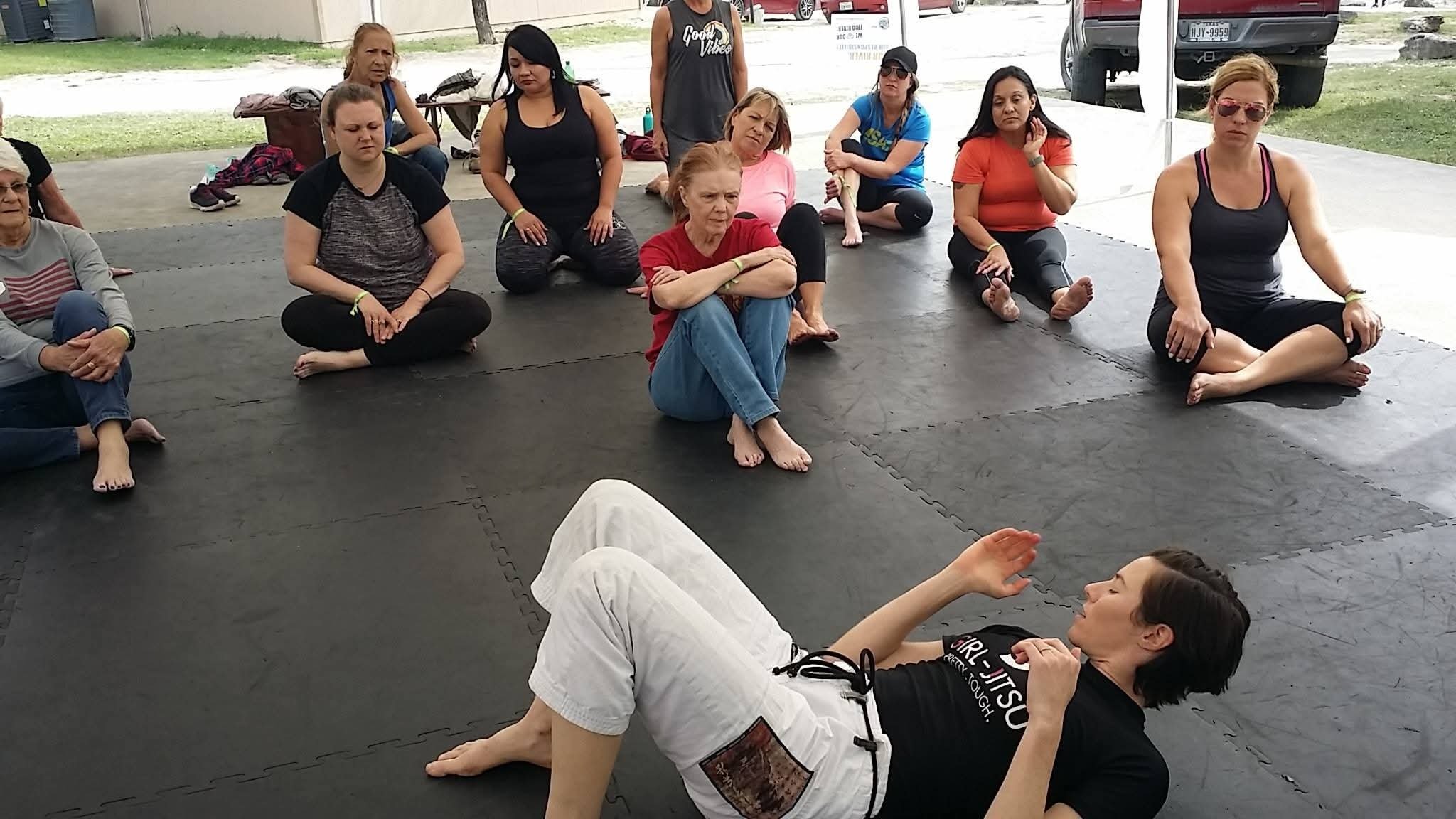
Many survivors of violence step into martial arts gyms seeking strength and safety, only to encounter environments that can feel competitive or re-traumatizing. In therapy and trauma-informed training, we create a different kind of space—one that’s safe, supportive, and centered on your healing.
Together, we combine traditional trauma therapy with physical and verbal self-defense skills, helping you reconnect with your body and build confidence at your own pace. By learning to balance nervous system activation with grounding, you’ll develop tools to recognize triggers, expand your window of tolerance, and reclaim your sense of power.
Consent, voice, and choice are at the heart of this work—you’re always in control.
Why?
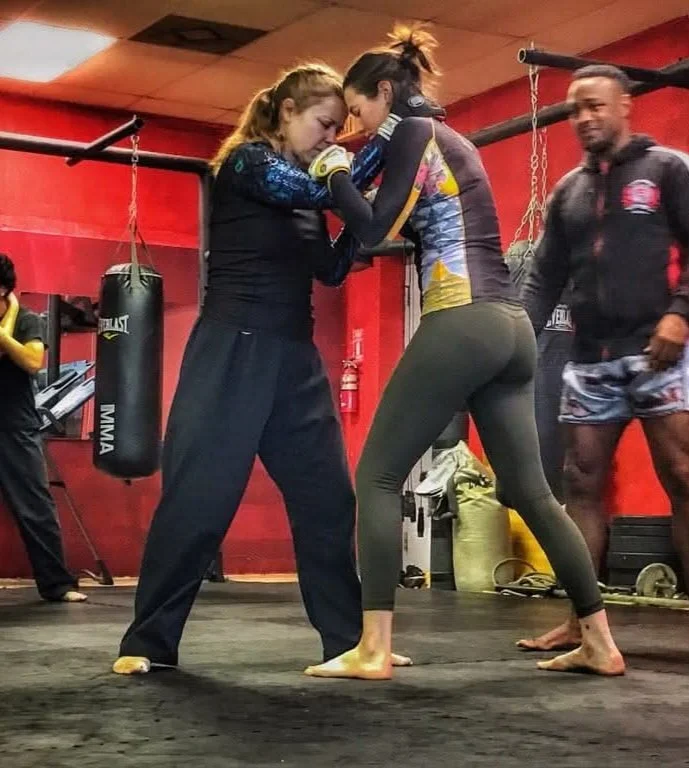
Through both personal an professional experience, we have found self-defense training to be an incredible tool for healing. When applied with a Trauma Informed lens, self-defense training has many benefits including:
Healing the mind-body connection
Empowerment
Learn nervous system regulation through mindful movement
Increased Self-Esteem
Learn Boundary Setting

About the Instructor: Anna Beth Reid
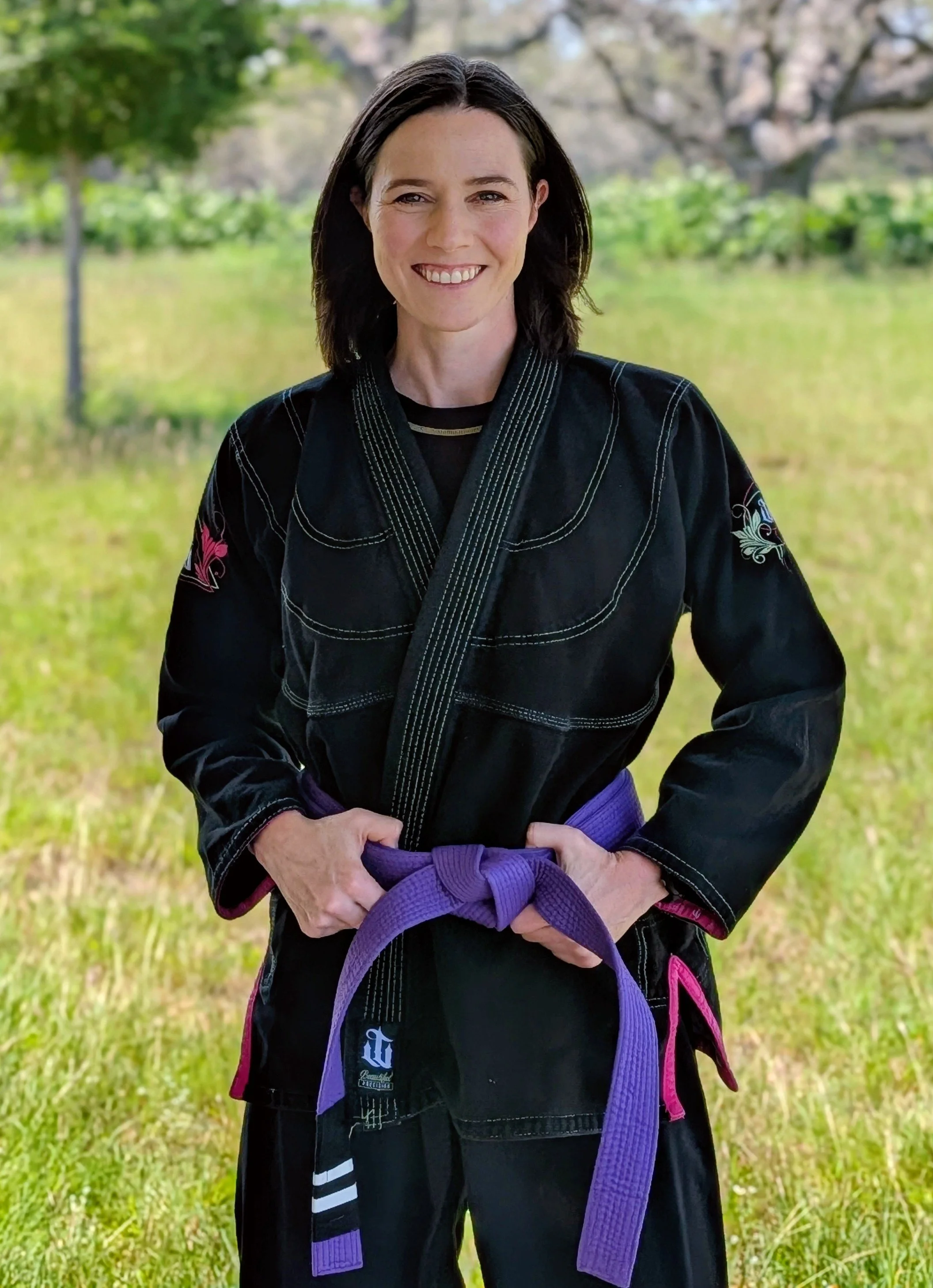
With over a decade of dedicated martial arts training, I hold a 2nd Degree Black Belt in Mu Do Kwan Taekwondo and a Purple Belt in Brazilian Jiu Jitsu. My training has shaped not only my technical skill, but also my deep respect for discipline, humility, and lifelong growth. Martial arts has been both a physical practice and a personal one — teaching resilience, adaptability, and embodied confidence.
I have developed and implemented empowerment-based self-defense curriculums for women and children, focusing on practical, effective skills grounded in awareness, boundary-setting, and nervous system regulation. My approach integrates real-world technique with psychological insight, helping students build strength without disconnecting from their bodies. I believe self-defense is not just about physical capability — it is about reclaiming agency, voice, and choice.
While I have cultivated substantial skills throughout my years of training, I will never assume I know everything. Growth is part of the discipline. If I encounter something outside my scope, I commit to educating myself so I can bring my students accurate, responsible, and high-quality instruction.
As a mom to a spirited toddler boy, I also understand what it means to start at the beginning — and to start again after body changes. I know firsthand how strength shifts through seasons of life. That lived experience informs how I teach: with realism, compassion, and respect for rebuilding. Empowerment is not about perfection; it’s about meeting yourself where you are and training forward from there.